
Micro, Small, and Medium Enterprises (MSMEs) have always played a big role in driving Indonesia’s economy. And that’s not just talk. Data shows that MSMEs contribute around 60.5% to the country’s GDP. In other words, a huge part of Indonesia’s economic activity depends on them.
But right now, things are getting tougher. The global economy is slowing down, and added pressure from policies like the high import tariffs under the Trump administration have shaken up the business landscape, even here in Indonesia. In times like these, MSMEs have to be flexible and ready to adapt if they want to stay in the game.
This is where digital transformation comes in. Going digital is something MSMEs urgently need to consider. With the help of technology, businesses can work faster, cut down on operational costs, connect with more customers, and stay ahead of constant changes.
In this article, we’ll dive into why digital transformation is a must for Indonesian MSMEs and why they need to get started now.
Contents
Trump’s Tariff Hike
Recently, United States President Donald Trump announced a reciprocal trade policy that sparked global concern. This policy involves the imposition of additional import tariffs on goods from other countries entering the U.S. market.
These countries are considered to have applied high tariffs on American products, prompting Trump to respond with a retaliatory measure based on the principle of fairness and balance.
While some believe the impact of this policy on MSMEs is minimal, the reality is that its domino effect can still reach Indonesian MSMEs, particularly those involved in the export sector.
One clear example is Indonesian furniture products exported to the United States. Due to the added import tariffs, these products will become more expensive in the U.S. market, which will directly affect their competitiveness.
As prices rise, U.S. consumers may turn to alternative products from other countries with lower tariffs. This shift could cause Indonesian MSME exporters to lose both market share and potential profits.
Given this situation, it is crucial for MSMEs to stay adaptive. One effective way to do so is by embracing digital transformation to improve operational efficiency, optimize resources, and strengthen their overall competitiveness in the global market.
Changing Consumer Behavior
Shifting consumer behavior is one of the key reasons why MSMEs must take immediate steps toward digital transformation. In today’s digital era, the way consumers engage with products and services has changed significantly compared to just a few years ago.
Consumers are now more proactive in researching online, reading reviews before making purchases, and expecting fast, seamless, and responsive service experiences.
These shifts demand that MSMEs constantly innovate and adjust both their marketing strategies and overall business approach. Relying on outdated methods is no longer enough for those who want to stay relevant and competitive in the market. MSMEs need to deeply understand consumer preferences, habits, and evolving expectations.
Through digital transformation, MSMEs can leverage various technologies to build closer connections with their customers. This can be done through social media, e-commerce platforms, or by using customer data to create a more personalized and meaningful customer experience.
As a result, MSMEs can deliver products and services that are more targeted, relevant, and in tune with what their customers truly want.
Increasingly Fierce Business Competition
According to data from the Ministry of Cooperatives and Small and Medium Enterprises (Kemenkop UKM), the number of new entrepreneurs in the MSME sector has continued to rise in recent times. One of the main drivers of this increase is the wave of layoffs (PHK) across various industrial sectors. Many individuals affected by these layoffs have turned to entrepreneurship as a new path forward.
However, alongside this growth in the number of MSMEs, another challenge has emerged: the flood of imported products in the local market. These foreign products, often sold at lower prices, are placing additional pressure on local MSMEs. As a result, MSMEs are forced to compete not only on price, but also on product quality, customer service, and production speed.
This is where digital transformation becomes critical. By adopting digital technologies, MSMEs can enhance operational efficiency, streamline business processes, and deliver faster, more responsive customer service.
In addition, digital tools allow businesses to better understand customer needs through data and analytics, enabling them to offer more relevant solutions and personalize their services. Going digital also helps MSMEs expand their market reach, both locally and globally.
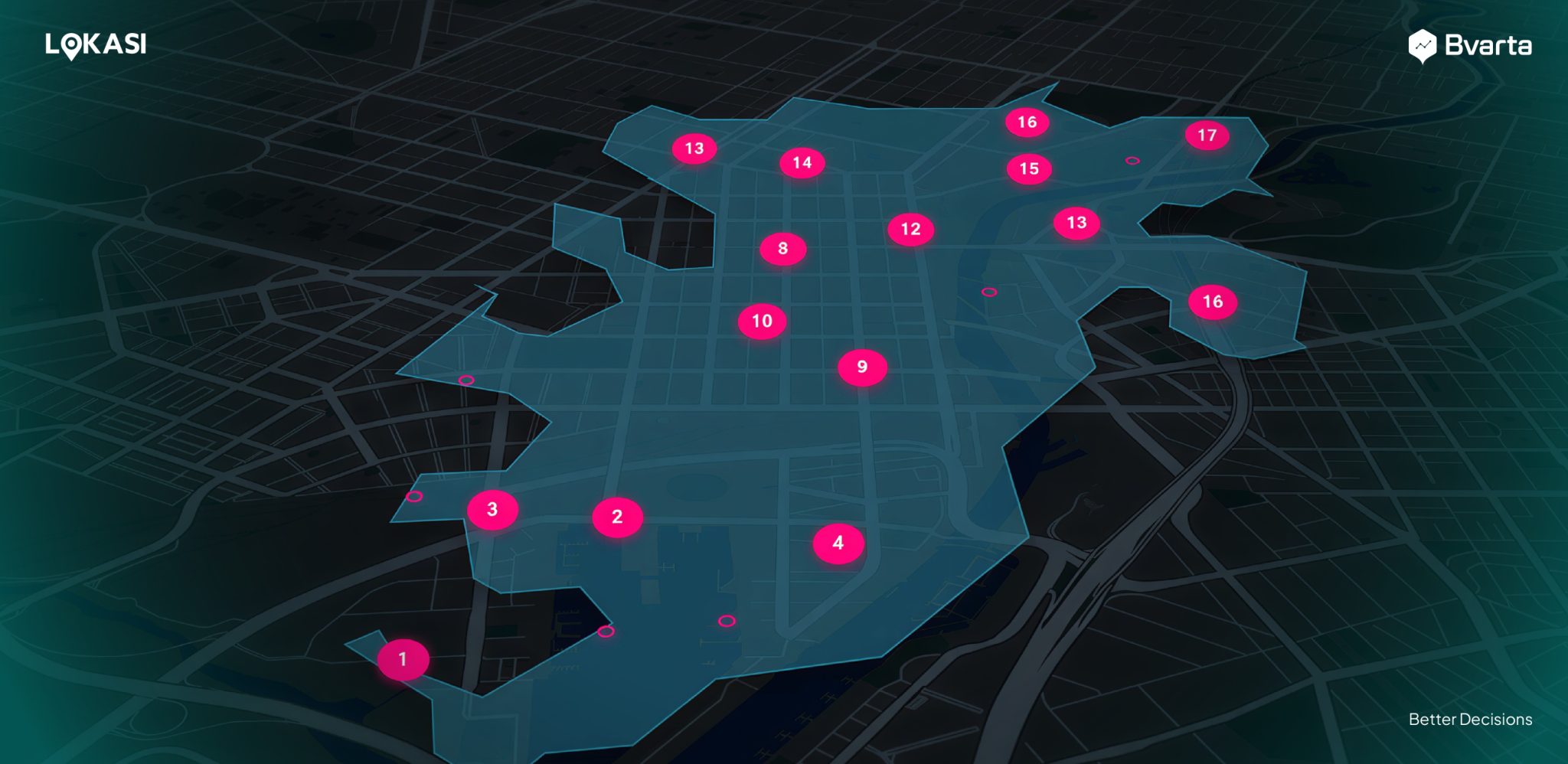
For businesses aiming to reach more potential customers, one effective solution is to leverage location intelligence technology. This allows them to identify high-potential areas for expansion and make smarter, data-driven decisions about where to grow next.
Get the Best Business Location with LOKASI Intelligence
LOKASI Intelligence is a geospatial analysis platform that integrates location intelligence technology with comprehensive location data. LOKASI is designed to help businesses make data-driven decisions, especially when choosing strategic locations.
With LOKASI, businesses can easily identify high-potential areas for opening new branches, expanding their network, or optimizing existing locations.
LOKASI also enables in-depth analysis of a location’s characteristics, including population density, people traffic, competition levels, and consumer behavior in the surrounding area.
By using LOKASI, businesses can save time, reduce operational costs, and speed up the expansion planning process. More importantly, LOKASI helps minimize the risk of making poor location choices, as every decision is backed by accurate data and actionable insights.
Want to learn how LOKASI Intelligence can support your business growth?
Contact us at Email: [email protected] or WhatsApp: 0877 7907 7750
FAQ
What is digital transformation for MSMEs?
Digital transformation for MSMEs refers to the comprehensive adoption of digital technologies by micro, small, and medium enterprises to change how they operate, engage with customers, and manage their overall business processes.
What does digital transformation mean in the context of MSMEs?
In the context of MSMEs, digital transformation is the process of using digital tools and technologies to enhance and streamline various aspects of business operations. The aim is to make processes more efficient, effective, and adaptable to changing market conditions.
What is the goal of digital transformation?
The main goals of digital transformation are to improve operational efficiency, enhance customer experiences, and strengthen overall business competitiveness.