How to Run a Successful and Low-Risk Digital Transformation

How to Run a Successful and Low-Risk Digital Transformation

Change is happening all around us, including in the world of business. To keep up and stay relevant, companies need to keep adapting. And today, one of the biggest ways to do that is through digital transformation. It’s something that businesses of all sizes, from small startups to big corporations, are starting to focus on.   But according to Deloitte, 70% of digital transformation efforts end up failing. That means even though many companies are going digital, a lot of them aren’t really prepared or don’t have the right game plan.   That’s why it’s so important to approach digital transformation the right way, with a solid plan and as little risk as possible. It’s not just about chasing the latest tech trends, but about making real changes that actually improve how the business runs and grows.   So, how do you make sure your digital transformation hits the mark?   Keep reading to find out.  

Understand Business Goals

The first step in implementing digital transformation is to have a clear understanding of the business’s primary goals for pursuing this change. Is it due to internal processes being too slow and time-consuming? Are there recurring challenges in delivering quality service to customers? Or is it the difficulty in monitoring and managing operations in real time?   Identify all the pain points or issues faced by each department, from operations and marketing to customer service and finance. By examining the needs and challenges across the organization, companies can gain a comprehensive view of which areas are most in need of improvement.   Once these challenges are mapped out, begin identifying the most suitable digital solutions to address them. These may include automation, system integration, data analytics, or the development of internal applications.  

Get Full Team Support

One of the main reasons digital transformation efforts fail is due to a company culture that is either unprepared for or resistant to change. While existing work habits may feel safer and more comfortable, introducing new systems often faces pushback from both employees and leadership.   That is why the success of a digital transformation heavily relies on strong, organization-wide support, from executives to frontline operational teams. Everyone needs to recognize that this transformation is not just about adopting new technology; it is also about shifting mindsets and ways of working.   In addition to cultural readiness, financial planning is just as crucial. Before moving forward, involve the finance team in open and honest discussions. Understand how much the company is willing and able to invest in the transformation process. With careful planning and full internal support, the chances of a successful digital transformation increase significantly.  

Form a Dedicated Team

Once full support has been secured from leadership and employees, the next step is to establish a dedicated team to lead and manage the digital transformation process. This team should include cross-functional representatives, such as managers and staff from finance, information technology (IT), and operations.   Selecting team members should not be done arbitrarily. Choose individuals who are not only skilled in their respective areas but also demonstrate strong collaboration abilities, openness to change, and a solid understanding of the business’s unique characteristics.   By assembling the right team, the business will be better equipped to navigate the challenges that come with transformation. This team will also play a key role in ensuring that every step taken aligns with the company’s core goals, organizational culture, and distinct operational workflows.  

Identify the Needed Solutions

As mentioned earlier, the first step in digital transformation is to identify the key pain points or challenges faced by each division within the business, including operations, finance, marketing, and customer service. Once these issues are clearly outlined, the next step is to explore potential digital solutions that can effectively address them.   This stage is critical, as it forms the foundation for selecting the right technologies or digital systems to implement.   For instance, if the main challenge is managing production and distribution processes, a solution like Enterprise Resource Planning (ERP) may be appropriate. If the issue lies in overseeing product development from planning to launch, then Product Lifecycle Management (PLM) could be the better fit.   For businesses that need a deeper understanding of location-based trends and customer behavior, enterprise location intelligence can provide valuable insights. Likewise, an asset management system can help streamline asset tracking and control, while business intelligence tools can support smarter, data-driven decision-making.  

Create a Strategic Plan

The next crucial step is to develop a comprehensive and well-structured strategic plan for digital transformation. At this stage, businesses should begin documenting all necessary procedures, including detailed implementation phases, required changes, and clearly defined responsibilities for each part of the process.   The plan should also account for a variety of possible scenarios, such as requests from different departments, tasks that may need to be repeated, and contingency strategies to address potential obstacles. By outlining these details, the business will have a clear roadmap and be better prepared to handle unexpected challenges.   It is also important to recognize that this plan should not be viewed as final or rigid. As internal conditions and external factors evolve, the plan must remain flexible and open to adjustment. The objective is to ensure that the transformation continues to align with the changing needs, goals, and dynamics of the business.  

Executing the Digital Transformation Plan

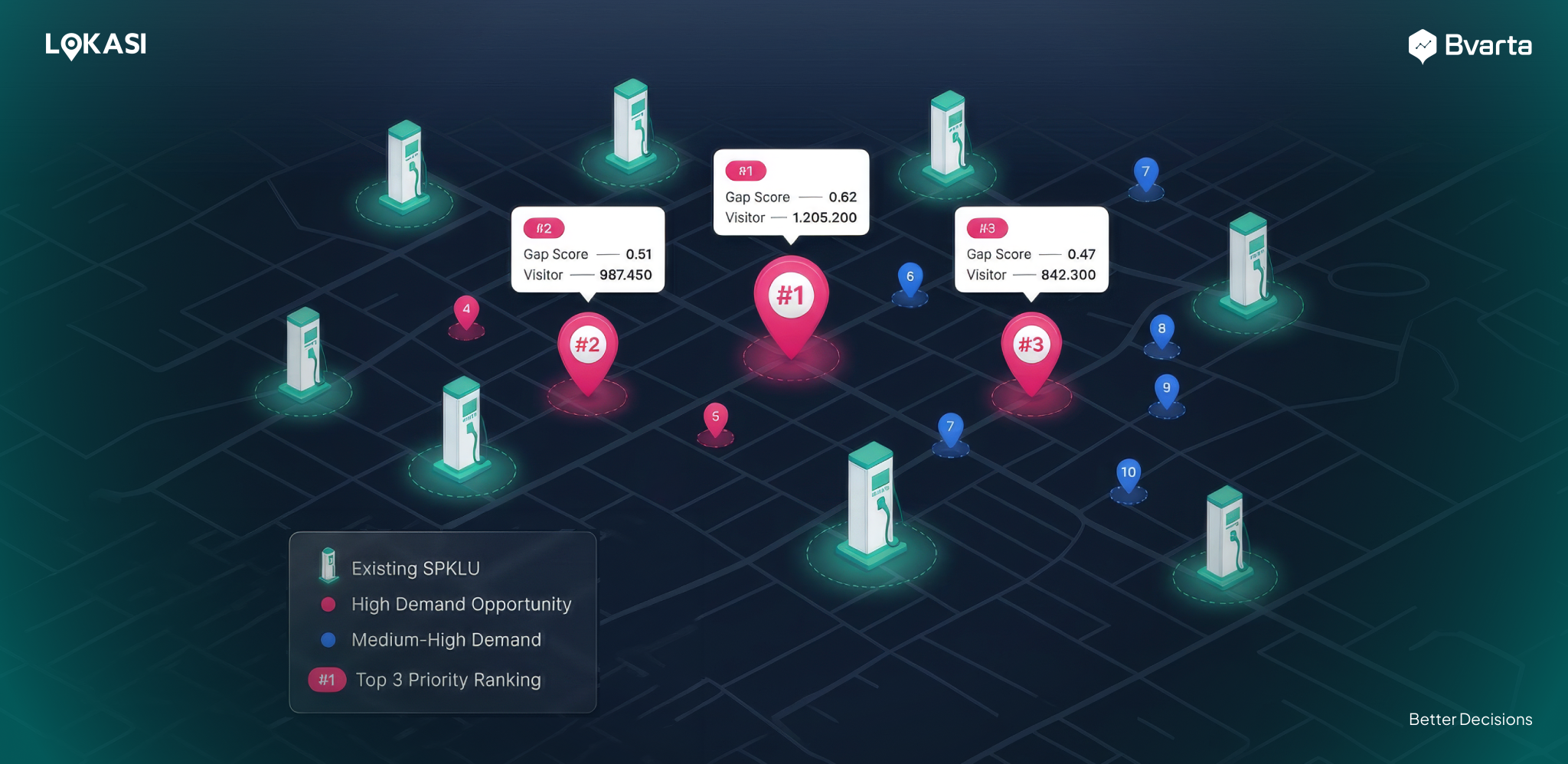
The final step is to execute the digital transformation plan that has been carefully developed by taking into account several key factors, including business needs, internal readiness, and available budget. At this stage, all previously designed strategies and procedures are put into action and integrated into the business’s day-to-day operations.   For instance, if one of the goals of digital transformation is to accelerate and streamline expansion and operational processes, the business might consider adopting Location Intelligence technology. This technology enables companies to analyze location data in depth, allowing them to make more informed decisions, such as choosing the most strategic locations for new branches, understanding consumer distribution patterns, and optimizing delivery or distribution routes.

Accelerate Expansion with LOKASI Intelligence

LOKASI Intelligence is a geospatial analytics platform that combines advanced location intelligence with comprehensive location data. With LOKASI, businesses can identify the best locations for new branch openings in just minutes.   Each selected location can also be analyzed in greater depth, ranging from potential visitor traffic, population density, and customer demographics to the presence of nearby competitors.   With the support of complete data and powerful analytics, LOKASI helps businesses minimize the risk of expansion errors while maximizing market potential in every chosen area.   To learn more about how LOKASI Intelligence can support your business goals, contact us at: Email: [email protected] WhatsApp: 0877 7907 7750  

FAQ

What are the key steps in implementing digital transformation?

The steps include understanding business objectives, gaining full executive support, forming a dedicated transformation team, identifying the right solutions, developing a strategic plan, and executing the plan effectively.  

What are the four main pillars of preparation for facing the opportunities and challenges of digital transformation?

The four main pillars are: understanding business objectives, gaining full support from executives, forming a dedicated team, and identifying the necessary solutions.  

What steps can a company take to assess its readiness for digital transformation?

To assess and begin digital transformation, a company can follow these steps: understand its business objectives, secure full executive support, form a dedicated transformation team, identify the right solutions, develop a strategic implementation plan, and execute the plan effectively.
Related Posts