
To keep growing and stay competitive in a fast-changing market, businesses need to keep expanding instead of staying still. Expansion can mean opening new branches, adding more products to your lineup, or growing your network in other ways.
In this article, we’ll break down what business expansion really means, why it’s so important for long-term success, and the different types of expansion you can try. By understanding this, you can figure out which expansion strategy fits your business best.
What Is Expansion?
According to the KBBI (Big Indonesian Dictionary), expansion refers to the enlargement of a country’s territory by occupying, either partially or completely, another country’s territory. In economics, however, expansion means the increase in the circulation of money.
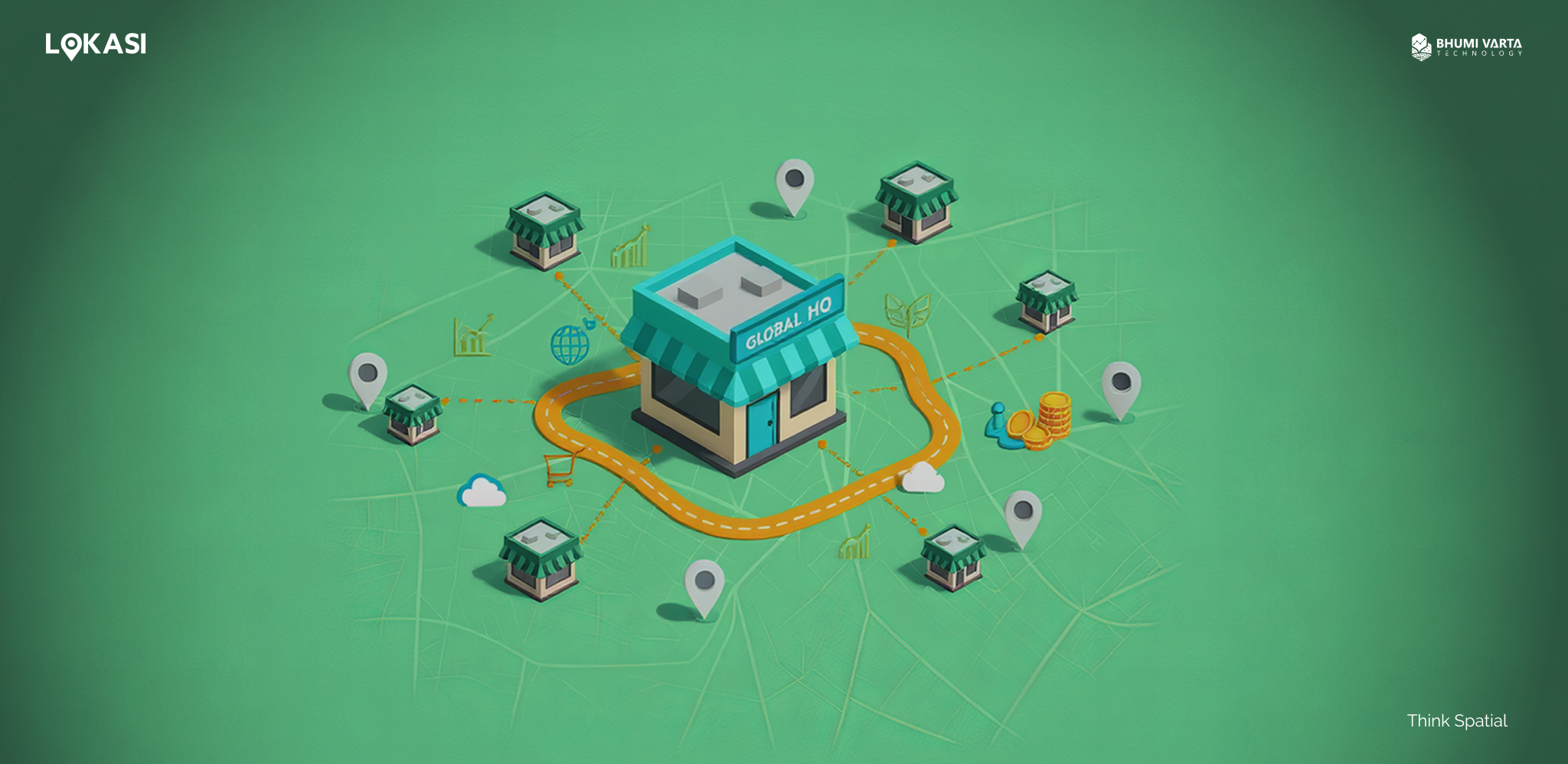
In the business world, expansion can be defined as a strategic effort by a company to broaden its reach, influence, and scale of operations. The goal is to help the business grow, reach more customers, and strengthen its position in the market.
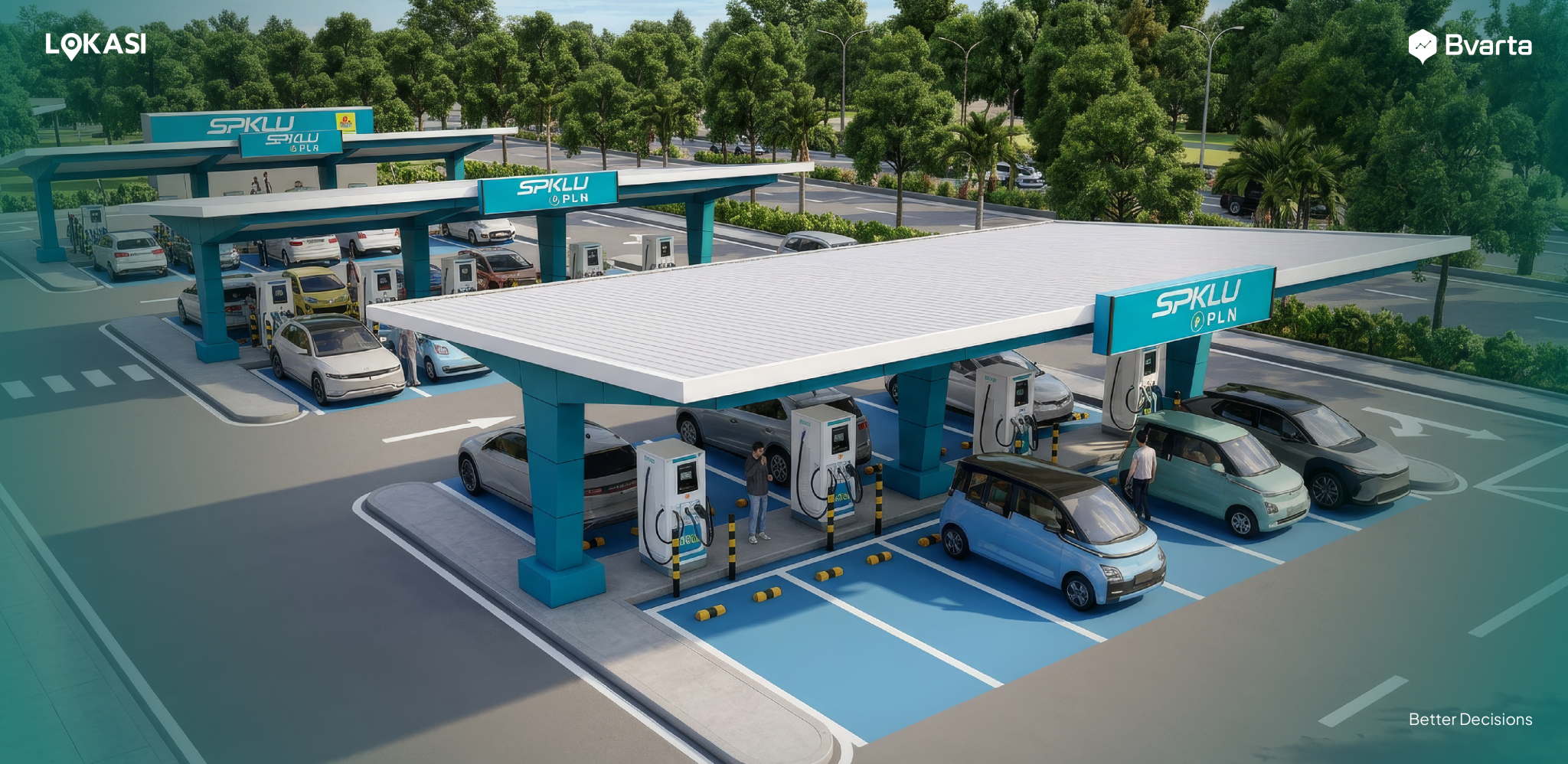
Examples of business expansion vary, from opening new branches in promising locations, launching new products or services to cater to different market needs, to expanding marketing efforts into previously untapped regions or customer segments.
Expansion can also take the form of acquisitions or partnerships with other businesses to accelerate growth and enhance the company’s competitiveness.
What Are the Types?
Now that we’ve covered the definition of expansion, let’s look at the different types of business expansion.
Market Penetration
The first type of expansion is market penetration. This strategy focuses on increasing market share within existing markets, without entering new regions or segments.
The goal is to strengthen the company’s position in markets it already serves by attracting more customers from competitors or encouraging existing customers to buy more frequently.
Some methods include offering more competitive pricing, improving product quality to outperform competitors, enhancing promotions, and using additional sales channels both online and offline.
The main advantage of this strategy is its efficiency, since the business already understands the market and its customers. However, it also comes with risks, such as potential price wars that can reduce profit margins and limited growth opportunities if the market becomes saturated.
Geographic Expansion
The second type of expansion is geographic expansion. This strategy focuses on extending a business’s reach into new markets in different regions while staying within the same industry. In other words, the business aims to reach consumers in other areas without changing its core products or services.
Geographic expansion can be carried out in several ways, such as opening new branches or outlets in promising locations and expanding distribution networks by partnering with local distributors or business partners.
However, alongside these opportunities come several challenges. Each region has its own characteristics and consumer preferences, so businesses need to understand local demand and adjust their marketing, pricing, and product strategies accordingly.
In addition, logistical issues, higher operational costs, and regulatory differences are also factors that must be carefully anticipated before expanding into new regions.
Product Expansion
Besides expanding market reach through penetration or opening new branches, businesses can also grow through product development. Product expansion is a strategy that focuses on creating or improving products and services to meet evolving consumer needs and adapt to changing market trends.
The main advantage of this strategy is its ability to respond to shifting consumer preferences while attracting new, previously untapped customers. In addition, innovative products can strengthen the brand’s image and create more opportunities for increased sales.
However, this strategy also comes with its own challenges. The product development process can be time-consuming, involving market research, testing, and detailed production steps before the product is launched to the public. If not executed carefully, there is a significant risk of product failure in the market.
Market Segmentation
Lastly, there is the market segmentation strategy, an expansion approach that focuses on targeting specific market segments or niches.
In this strategy, businesses don’t aim to reach everyone. Instead, they focus on particular consumer groups with unique characteristics, needs, or preferences.
As a result, the products or services offered are usually designed to be highly relevant to the needs of those specific segments.
However, this strategy also has its limitations. A market that is too narrow can restrict revenue potential, especially if the targeted segment is not large enough.
Additionally, businesses may face challenges when trying to expand or scale operations, since the strategies and products developed are often highly tailored to a particular market segment.
What Are Examples of Business Expansion?
To better understand how business expansion works in the real world, here are several examples commonly found across different industries.
For instance, a food and beverage company can expand by launching new flavors or adjusting its menu to match local tastes in various regions. This not only gives customers more choices but also helps the business reach new, previously untapped market segments.
Meanwhile, service-based businesses, such as digital platforms, can expand by adding new features or improving the quality of their existing services. For example, a food delivery platform might introduce a grocery delivery option, or a financial app might add an investment feature. These strategies help businesses stay relevant and continuously attract users.
In the beauty and fashion industries, expansion can also take different forms. A skincare brand might create products for specific skin types, such as sensitive skin, while a clothing brand might develop an eco-friendly line to attract consumers who value sustainability.
This approach allows businesses to build stronger, more personal connections with their customers while reinforcing their brand identity in the market.
Streamline Expansion Costs and Time with LOKASI Intelligence
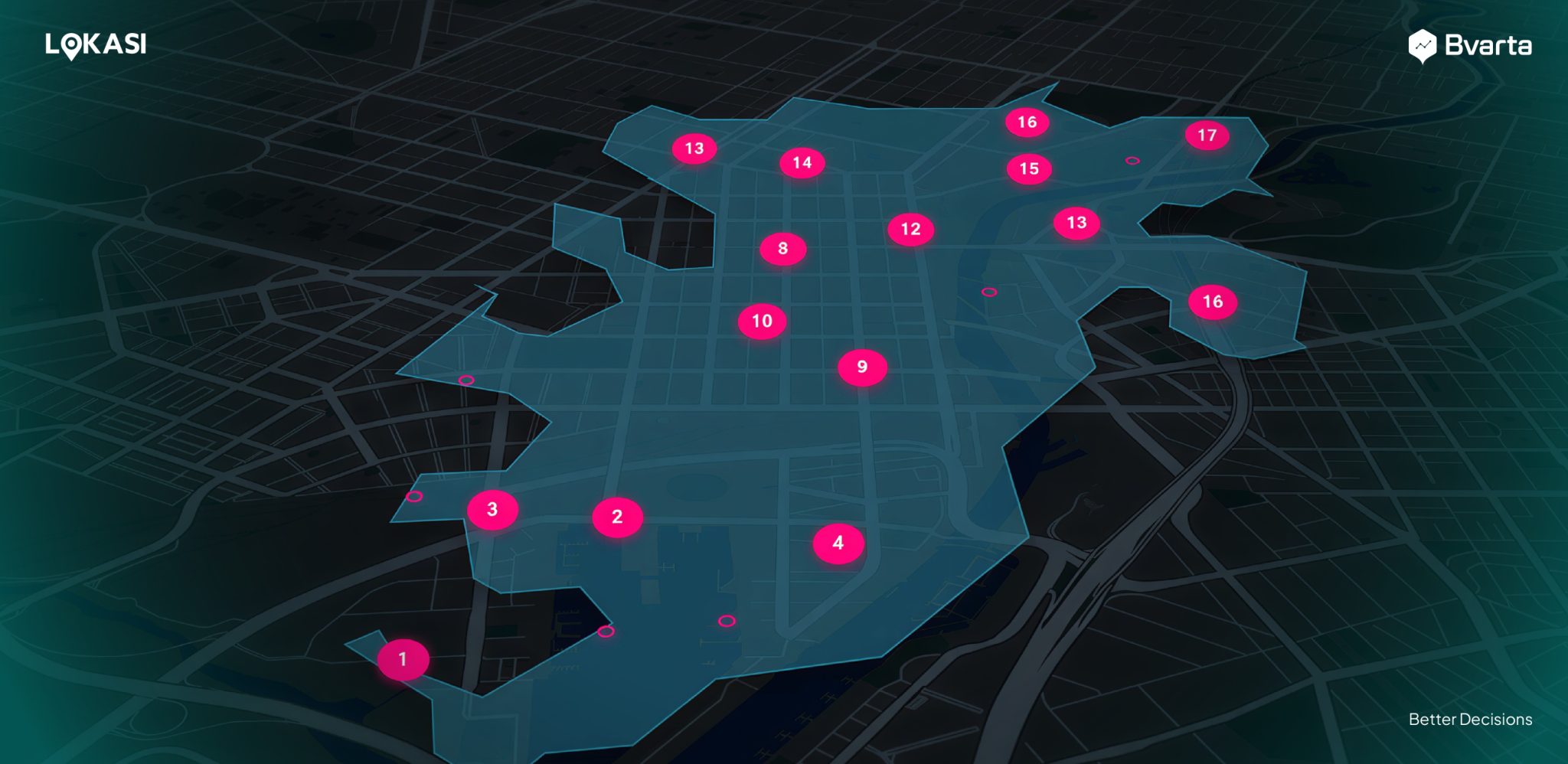
LOKASI Intelligence is a geospatial analytics platform that integrates location intelligence with comprehensive location data. With LOKASI, businesses can easily identify potential locations for new branch openings.
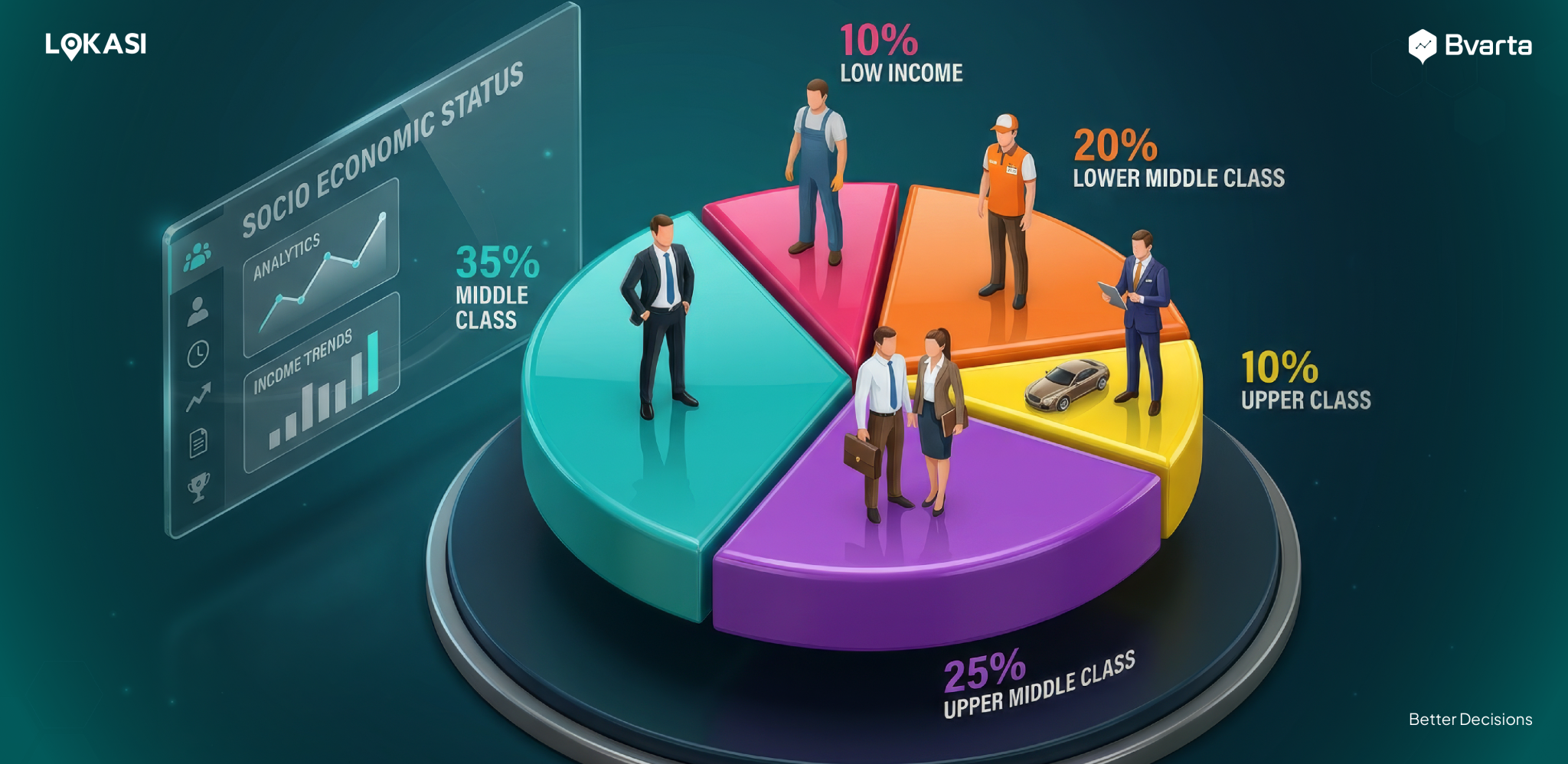
The platform provides a wide range of valuable data to help businesses thoroughly analyze the potential of an area. Users can assess population demographics, traffic levels, socioeconomic status, and even explore insights about the surrounding area, including competitors and public facilities.
LOKASI Intelligence also offers access to other important information, such as disaster risk levels and land prices, enabling more informed and low-risk expansion decisions.
With all these capabilities, LOKASI Intelligence helps businesses accelerate their expansion process, make data-driven decisions, and save time, effort, and costs at every stage of growth.
To learn more about how LOKASI Intelligence can support your business, contact us at: [email protected] | WhatsApp: 0877-7907-7750
FAQ
What is expansion?
Expansion refers to a strategic effort made by a company to broaden its reach, influence, and scale of operations.
What is the purpose of expansion?
The purpose of expansion is to help a business grow, reach more customers, and strengthen its position in the market.
What are the benefits of business expansion?
The benefits of business expansion include reaching new market segments, meeting evolving consumer needs, and adapting to changing market trends.