
When a business plans to expand, there are usually a few locations that seem perfect for opening new branches. But before making the final call, it’s important to take a closer look at each one.
This helps make sure the chosen spot really has room to grow, whether it’s about market reach, accessibility, or long-term opportunities.
In this article, we’ll walk you through simple steps to find out if a location truly has the potential to grow your business.
Contents
Why Businesses Need to Analyze Locations First
Location plays a major role in determining whether a business succeeds or fails. According to one study, around 17% of restaurants don’t make it past their first year.
On the other hand, when a business manages to find the right location, its chances of growth increase significantly. A strategic location can even help boost foot traffic.
For retail and F&B businesses, foot traffic is a key indicator because it directly influences daily sales performance.
The more people passing by and potentially turning into customers, the higher the chances for the business to grow revenue and build a loyal customer base.
That’s why, before opening a new branch or starting a business, it’s essential to thoroughly analyze potential locations, from market potential and visitor traffic to the surrounding environment. This ensures the chosen location is truly strategic and offers strong long-term prospects.
How to Identify Potential Business Locations
There are several ways businesses can assess strategic locations before deciding to open or expand a branch. Here are some important steps to consider:
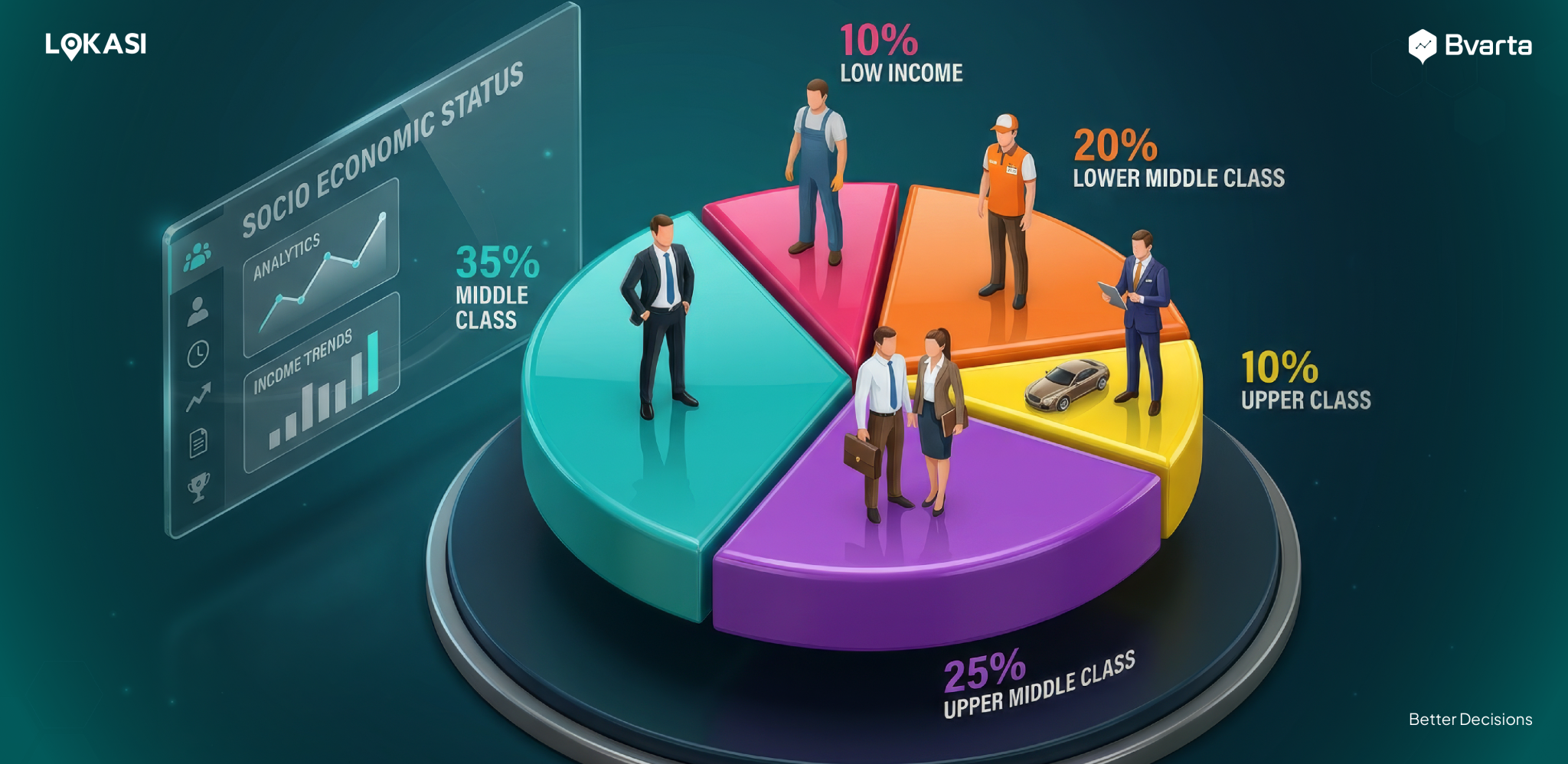
Pay Attention to Local Demographics
Local demographics play a key role in choosing the right business location. By understanding the demographic profile of an area, businesses can determine whether the majority of the population matches their target market.
For example, is the area dominated by young families, office workers, students, or residents with certain income levels?
To evaluate this, businesses need access to comprehensive demographic data, such as income levels, age ranges, gender, spending habits, and lifestyle patterns within the surrounding community.
With this information, businesses can identify whether their products or services fit the characteristics of the local population and adjust their pricing and promotional strategies accordingly.
In short, understanding local demographics helps businesses ensure that their chosen location is not only busy but also filled with potential customers who truly match their target market.
Check Visibility
Once you’ve listed several potential locations, the next step is to choose one with high visibility. Visibility is a key factor because it determines how easily potential customers can notice and recognize your business.
A clearly visible location helps create a strong first impression and draws attention, even from people who might not have planned to stop by.
Now, imagine if your business were located somewhere hard to find, hidden behind other buildings, tucked away in a narrow alley, or without a noticeable sign.
Such conditions make it harder for people to notice your business, which can reduce potential visits. Without good visibility, even strong promotions or great products may not bring the desired results simply because people don’t know your business exists.
On the other hand, a location with high visibility, such as along a main road, near traffic lights, or in areas with heavy foot traffic, offers a significant advantage. Passersby can easily spot your business, remember it, and may decide to visit later.
In addition, good visibility plays an important role in building brand awareness. The more often people see your logo, signage, or store design, the stronger their recall of your brand becomes.
Check Ease of Access
Once your business location has good visibility, the next step is to ensure it’s easy to reach. A strategic location should not only be easy to spot but also convenient for potential customers to access, whether they use private vehicles or public transportation.
Ideally, your business should be located in an area with strong connectivity, such as near a bus stop, train station, or along a main road with high traffic.
Easy access makes it more convenient for customers to visit, even repeatedly, without having to deal with issues like heavy traffic or confusing routes.
Besides transportation, parking availability is also an important factor. Businesses that offer sufficient, safe, and easily accessible parking provide a better experience for customers and encourage them to return.
Evaluating Competition Levels
Businesses also need to consider the level of competition in their chosen location. This analysis is essential to ensure there is still room for growth and to avoid being in an area with overly intense competition.
If a region already has many similar businesses, whether in terms of products, services, or target market, the potential to attract new customers will likely be lower. It can be challenging for a new business to stand out among numerous competitors, especially if others already have a strong reputation and loyal customer base.
On the other hand, selecting a location with a manageable level of competition can open up more opportunities, particularly if the business can offer something unique or has a clear competitive advantage over others in the area.
Therefore, it’s important for businesses to carefully evaluate market conditions and the competitive landscape surrounding the location. If the analysis shows that the area is already saturated, it may be wiser to consider alternative locations that still offer potential and room for growth.
Observe People Traffic
The final way to assess a business location is by observing the level of people traffic in the area. This factor is one of the key indicators for evaluating a location’s potential because the more people in the area, the greater the opportunity to attract customers.
By observing the flow of both pedestrians and vehicles, businesses can determine whether the area is consistently busy, only crowded at certain times, or generally quiet.
For instance, locations near office areas tend to be busier on weekdays, while those around tourist attractions or shopping centers usually see more activity on weekends. This information helps businesses estimate potential traffic and sales more accurately.
If a business is comparing several potential locations, data on traffic density can be a crucial factor in deciding which one offers the best opportunity.
Locations with high and steady activity levels provide greater long-term growth potential, especially for businesses that rely on walk-in customers, such as retail stores, restaurants, and cafés.
Check Business Location Potential Faster and More Accurately with LOKASI Intelligence
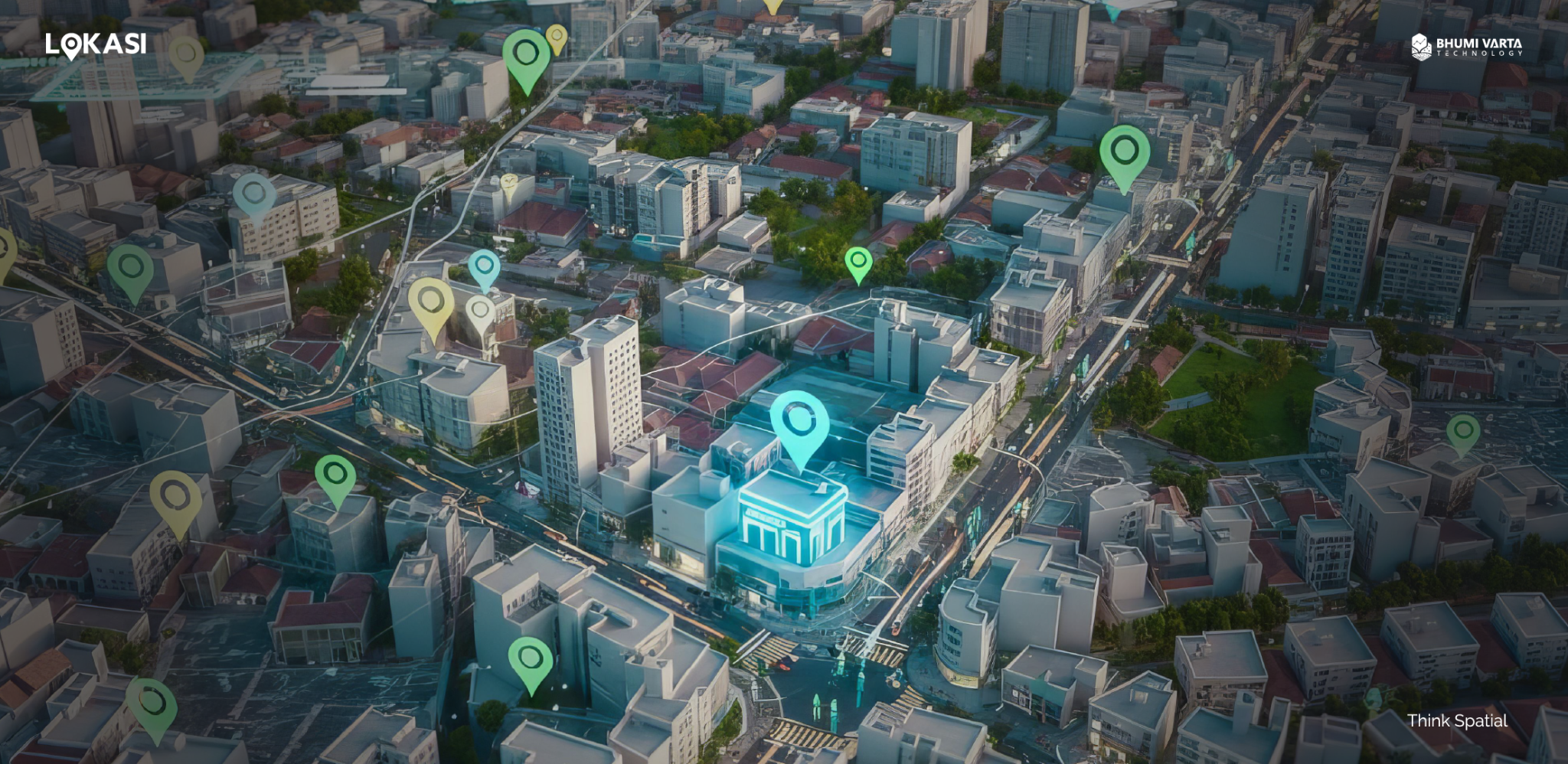
LOKASI Intelligence is a geospatial analytics platform that integrates location intelligence with comprehensive location data. With LOKASI, businesses can easily evaluate the potential of an area or location before making important decisions, such as opening a new branch, expanding their network, or identifying sales points.
Through LOKASI Intelligence, businesses can gain insights into various key factors that influence a location’s potential, including accessibility, visibility, target market characteristics, and the level of competition in the surrounding area.
LOKASI helps businesses analyze and identify the best locations more easily, quickly, and accurately.
Learn more about how LOKASI Intelligence can help your business by contacting us at: Email: [email protected], or WhatsApp: 0877-7907-7750
FAQ
How do you determine a business location?
Determining a business location involves considering several factors such as local demographics, visibility, accessibility, competition, and foot traffic.
How do you identify a strategic business location?
A strategic business location is typically in an area dominated by your target market, offering good visibility and accessibility, moderate competition, and high foot traffic.
How do you find the right business location?
To find the right business location, look for areas that attract your target consumers, have high foot traffic, easy accessibility, strong visibility, and low competition. Businesses can also use the LOKASI Intelligence platform to quickly identify strategic and high-potential locations.