Why Spatial Data and Polygon Targeting Are Key to Successful Event Marketing

Why Spatial Data and Polygon Targeting Are Key to Successful Event Marketing

These days, brands know that staying relevant and keeping people engaged is the secret to winning loyalty and building stronger connections. That’s why you’ll often see companies hosting marketing events in all sorts of strategic locations. But running an event isn’t just about picking a venue and showing up. Choosing the right location is key to making sure the event actually hits the right audience. That’s where spatial data and polygon targeting come in. With these tools, brands can dive deeper into location insights, segment audiences better, and make events more relevant, effective, and impactful. In this article, we’ll break down how spatial data and polygon targeting can help brands level up their marketing events.

A Glance at Spatial Data and Polygon Targeting

Before we dive into how spatial data and polygon targeting can make marketing events more effective, let’s first understand what they actually mean.

What is Spatial Data?

Spatial data, also known as geospatial data, refers to information that describes the location or characteristics of a specific area on the Earth’s surface. This type of data can cover many aspects, from simple location points (like the position of a building) to the shape of an area (such as city boundaries). It can also include additional details like population size, economic activity, or movement patterns within that area. Spatial data comes from a wide range of sources, including GPS, digital devices like smartphones, geographic information systems (GIS), and sensors that capture everyday human activity. For brands, spatial data opens the door to hyper-precise targeting. In other words, businesses can reach very specific audiences based on their location, behaviors, and unique characteristics.

Understanding Polygon Targeting

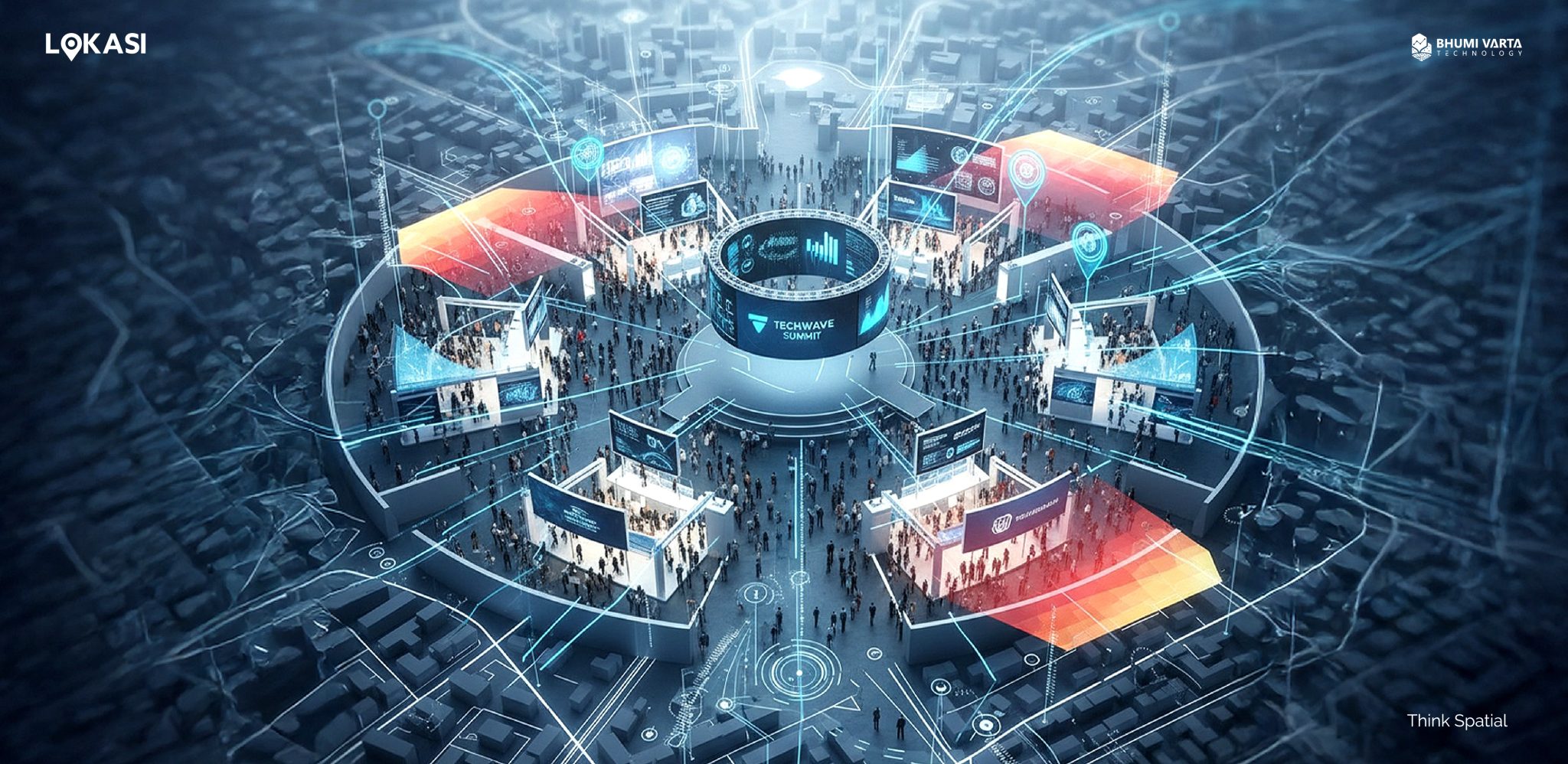
Polygon targeting is a technique that allows businesses to create custom geographic boundaries based on their needs. Instead of being limited to broad administrative areas like cities or districts, polygon targeting offers the flexibility to draw specific zones directly on a map. For example, a business can define an area around a particular mall, office complex, school district, or even within a certain radius of a strategic location. This makes it possible to target the most relevant audience with greater precision, aligning perfectly with the goals of an event or campaign.

How Spatial Data and Polygon Targeting Can Optimize Event Marketing

Now that we understand spatial data and polygon targeting, let’s explore how they can help businesses run more successful marketing events. Spatial data gives a detailed picture of an area. For example, demographic data can reveal the age, gender, and economic background of people living nearby. People traffic data, on the other hand, shows how busy the area is and when peak activity happens. With insights like these, businesses can more easily identify potential audiences around an event location. When combined with polygon targeting, the impact becomes even stronger. Polygon targeting allows businesses to focus on audiences within highly specific geographic areas using precise latitude and longitude coordinates. This means the target audience isn’t just broadly defined but narrowed down to the exact areas most relevant to the event’s goals. Other benefits include smarter budget use, marketing spend isn’t wasted on irrelevant audiences. Higher conversions, campaigns focus on high-potential audiences, increasing the chances of success. With this location-based approach, businesses can create campaigns that are more targeted, more effective, and ultimately more impactful for growth.

Optimize Marketing Events with LOKASI Intelligence

LOKASI Intelligence is a geospatial analytics platform that combines location intelligence with comprehensive location data. With it, businesses can identify the most suitable locations for marketing events based on their goals and target audience. The platform offers various types of data, including demographics and people traffic. Demographic data helps businesses understand who lives or works in a specific area—such as age, gender, and economic status. Meanwhile, people traffic data provides insights into how busy a location is and when activity peaks during the day. LOKASI Intelligence also makes audience segmentation more precise. With its radius feature, businesses can visualize the reach of each recommended location. This makes it easier to compare multiple options and choose the one that best aligns with their objectives. Learn more about how LOKASI Intelligence can support your business by contacting us at: [email protected] or WhatsApp: 087779077750  

FAQ

What is spatial data?

Spatial data, also known as geospatial data, is information that describes the location or characteristics of a specific area on the Earth’s surface.

What is polygon targeting?

Polygon targeting is a technique that allows businesses to create custom geographic boundaries tailored to their needs.

What are some examples of spatial data?

Examples of spatial data include location points (such as the position of a building), the shape of an area (such as city boundaries), and additional details like population size, economic activity, or movement patterns within a given area.  
Related Posts