
A busy street does not always mean a busy store. Plenty of retailers have opened on a road packed with pedestrians, only to find that almost none of that traffic ever walks through the door.
This is the gap that footfall data is meant to close. It does not just count people walking by. Done properly, it shows how many of them actually engage with a location, and for how long.
This article breaks down what footfall data measures, how it connects to dwell time, and what both numbers actually reveal about store performance.
Contents
What Is Footfall Data
Footfall data measures the number of people who pass by, enter, or spend time near a physical location over a given period. It is typically derived from anonymized mobile device signals, which means it reflects actual recorded movement rather than an estimate based on road type or population density alone.
Modern footfall data usually includes more than a raw visitor count. It can break activity down by hour of day, day of week, and repeat versus first-time visits, giving a much richer picture than a single traffic number.
Footfall vs Dwell Time
Footfall and dwell time answer two different questions, and conflating them is one of the most common analysis mistakes.
- Footfall answers: how many people came near or into this location?
- Dwell time answers: how long did they actually stay once they arrived?
A location can have high footfall and short dwell time, which usually points to pass-through traffic rather than genuine destination behavior. The reverse pattern, lower footfall but longer dwell time, often signals a smaller but more engaged visitor base. Neither pattern is automatically good or bad. It depends entirely on what kind of store is sitting in that location: a quick-service format benefits from pass-through traffic, while a destination retailer needs visitors who stay and browse.
What It Reveals About Store Performance
Footfall and dwell time together help retailers separate two very different problems: a traffic problem and a conversion problem.
- High footfall, low sales: the location is attracting visitors, but something inside the store, layout, pricing, or product mix, is failing to convert them.
- Low footfall, decent conversion among those who do visit: the store experience is fine, but the location simply is not exposing the brand to enough of the right people.
- Rising footfall over time: often an early signal that a new development, transit line, or neighboring tenant is changing the character of an area, which is useful for catching a location’s potential before competitors do.
Looking at footfall in isolation tends to overstate how well a location is actually working. Pairing it with dwell time gives a far more honest read on whether people who arrive are genuinely engaging.
Turn Footfall Into Decisions With LOKASI
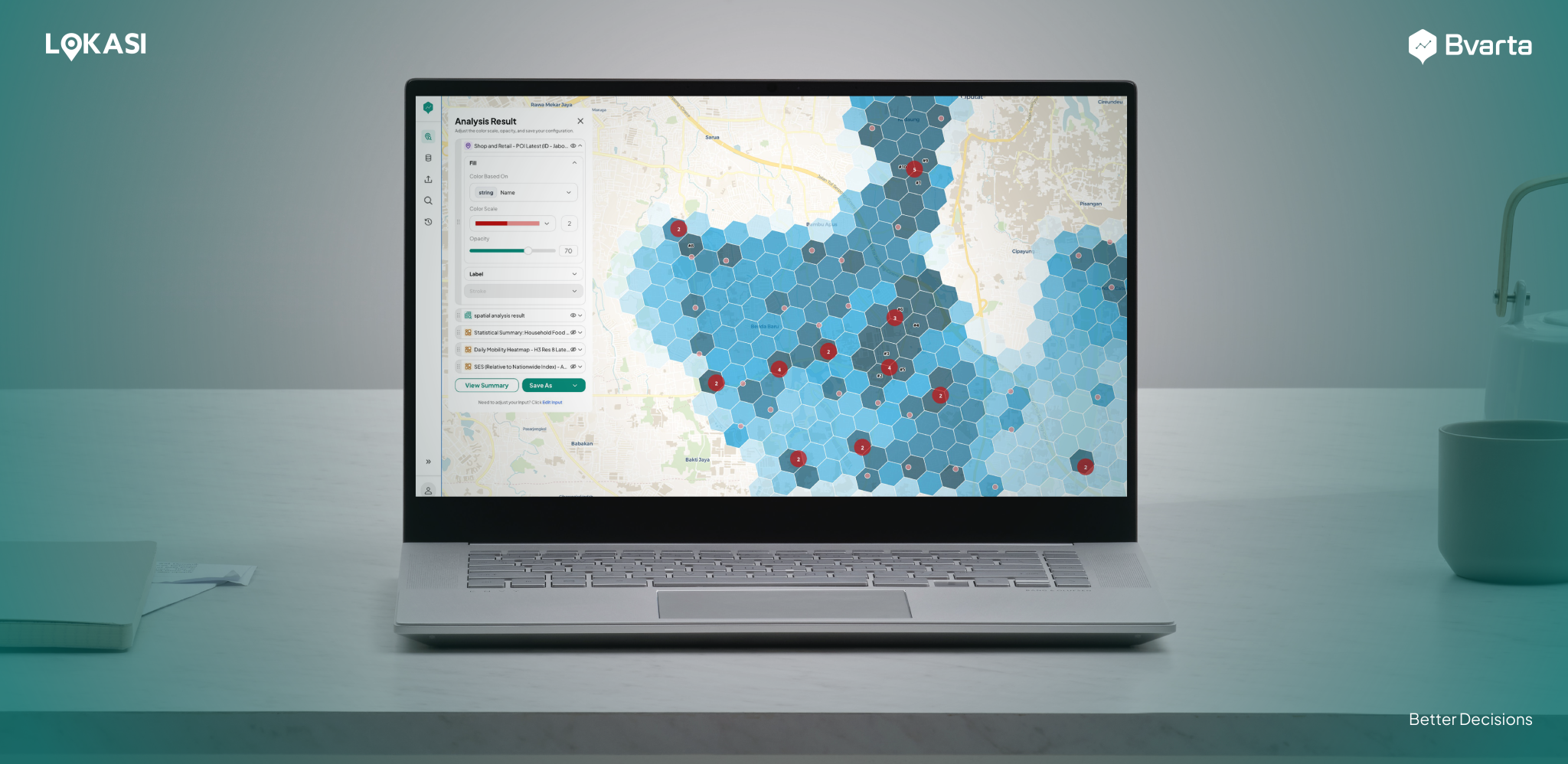
LOKASI Intelligence captures footfall and dwell time as part of its mobility data, broken down by hour, day, and visitor pattern. This lets retail teams see not just how many people are near a location, but whether that traffic is the kind that actually converts.
For example, LOKASI Intelligence might record around 8,000 device visits at a shopping center on a typical weekday, with roughly 40% of those visitors staying between one and five hours, a pattern consistent with genuine destination behavior. A nearby location with a similar footfall count but a dwell time skewed toward under ten minutes tells a very different story: high exposure, but limited engagement. Comparisons like this turn a single footfall number into a clear, actionable read on how a location is actually performing.
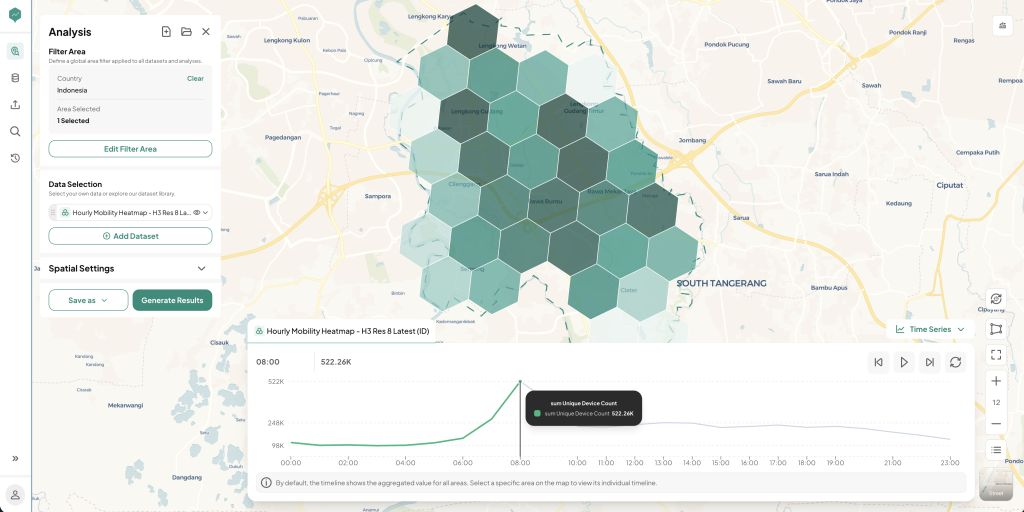 Figure 1: Hourly Mobility Heatmap by LOKASI Intelligence
Get a clearer read on how your locations are really performing. Reach out for a free consultation via WhatsApp at 0877 7907 7750 or through bvarta.com/contact-us.
FAQ
What is footfall data in retail?
Footfall data measures the number of people who pass by, enter, or spend time near a physical retail location over a given period, usually derived from anonymized mobile device signals.
Is high footfall always a good sign for a store?
Not on its own. High footfall paired with short dwell time often signals pass-through traffic rather than genuine customer engagement, so it needs to be read alongside dwell time and conversion data.
What is the difference between footfall and dwell time?
Footfall measures how many people came near or into a location, while dwell time measures how long they stayed once they arrived. Together, they show whether a location attracts the right kind of traffic, not just a high volume of it.
References
GrowthFactor. (2026). Retail foot traffic data: Complete site selection guide. https://www.growthfactor.ai/resources/blog/retail-foot-traffic-data-complete-guide
Korem. (2024). How to use foot traffic data to gain store performance. https://www.korem.com/using-foot-traffic-data-to-discover-retail-success/