
A lot of people still think that opening a business in a busy spot automatically means big profits. This is because the majority assumes that more people passing by, more chances they’ll stop and buy something.
But the truth is, plenty of businesses still fail even in crowded areas. So, why does that happen?
In this article, we’ll break down five main reasons why a busy location isn’t always a guarantee for success, and why choosing the right spot needs to be done carefully and strategically.
Contents
More People Passing By Doesn’t Mean More Customers
Take an area like Blok M, for example, where hundreds to thousands of people pass by every day. At first glance, this might seem like the perfect place to open a retail business, as it appears to promise a steady flow of customers.
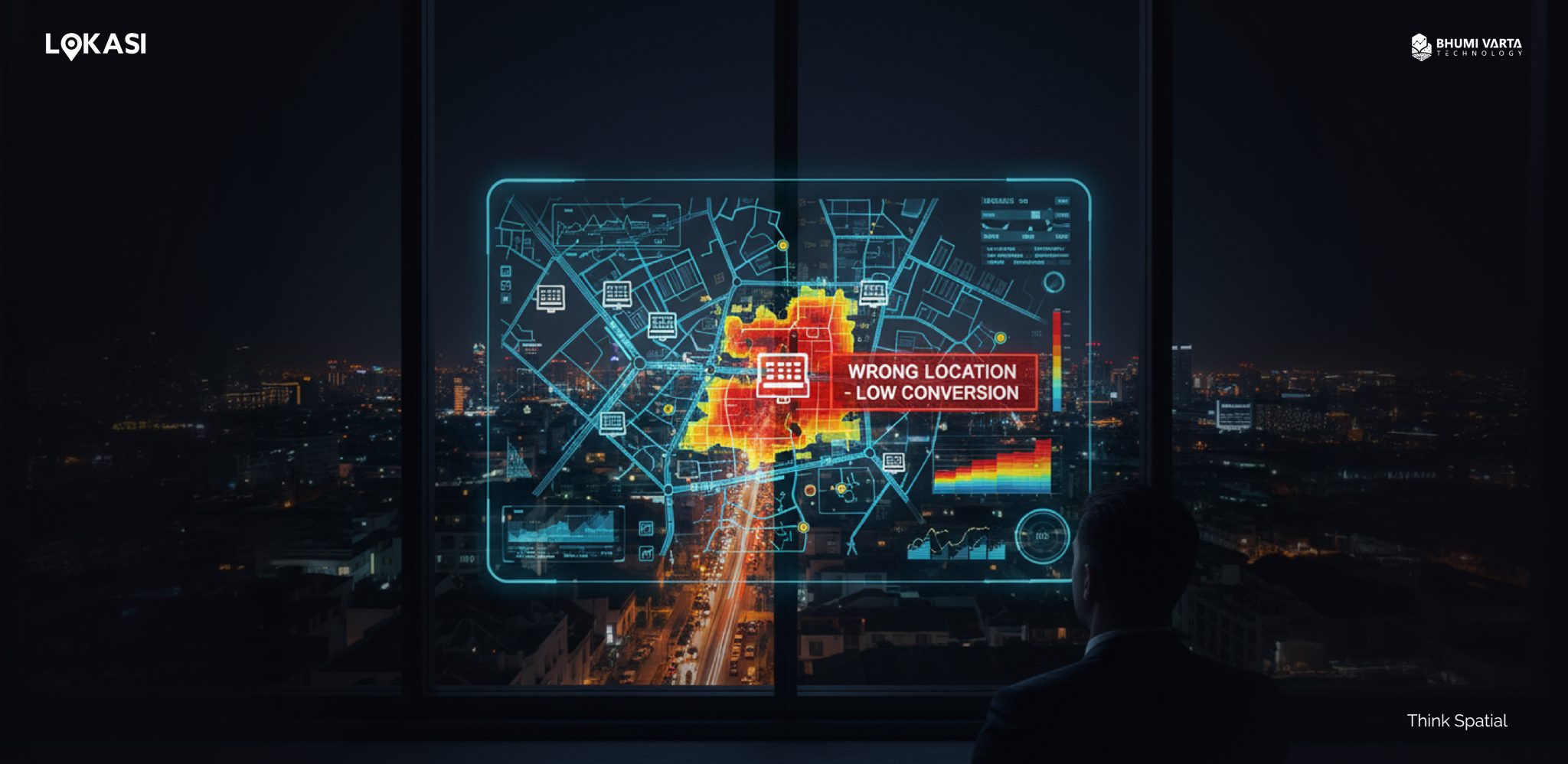
In reality, however, many businesses fail to see a boost in revenue despite being located in such busy areas. That is because high foot traffic does not always translate into high conversion rates.
The people passing through are varied: some are commuters rushing to or from work, others are just browsing with no intention of buying, and many are casual pedestrians simply on their way somewhere else.
Under these circumstances, a business might receive thousands of impressions or visits daily, but that does not guarantee sales. This makes it clear that traffic alone is not a reliable indicator of business success, especially without a solid understanding of the target market.
Product and Customer Mismatch
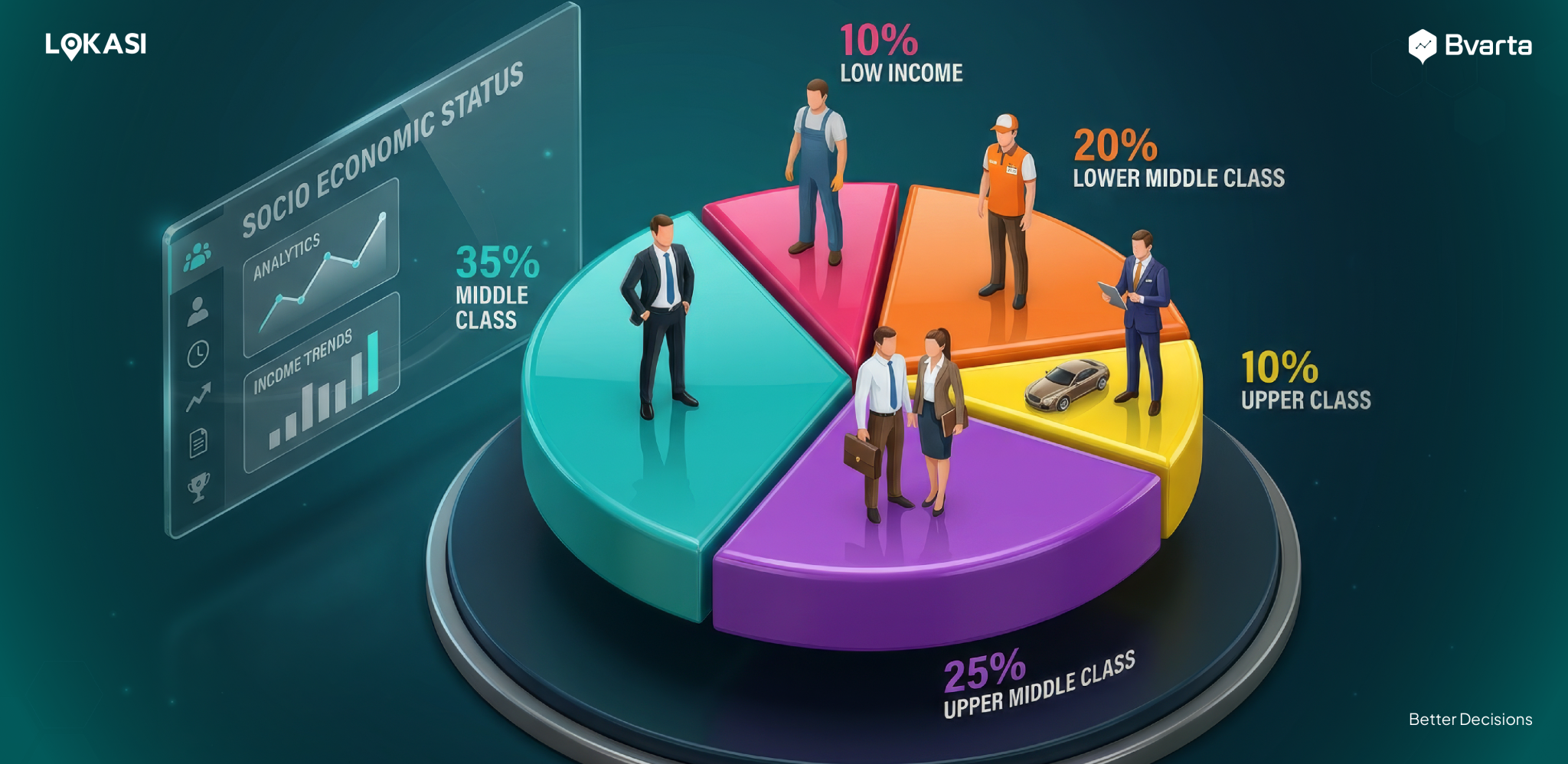
The second reason is a mismatch between the products offered and the profile of the surrounding audience. For example, a boutique selling high-end luxury clothing opens in an area dominated by educational institutions such as elementary, middle, and high schools, or universities.
Even though the area is busy, most of the people there are students who are generally more cautious with their spending and highly price-sensitive.
In this case, the products being marketed don’t align with the needs or purchasing power of those passing by. As a result, the store may look crowded with visitors who are only browsing, but very few actually make a purchase.
This highlights an important point: without a strong product-to-audience fit, crowds only create the illusion of demand. Traffic may be present, but it has little value if it doesn’t turn into sales.
Limited Space and Customer Experience
In high-traffic areas, the space available for businesses is often limited. Most options are small kiosks or narrow shophouses.
The limited store size, combined with inadequate infrastructure and scarce parking, can significantly reduce the overall shopping experience.
For instance, imagine a customer eager to buy a specific product. When they arrive, they find themselves squeezed into a cramped store with overcrowded shelves and an uncomfortable atmosphere. The problem is made worse by the struggle to find a parking spot. Eventually, frustration sets in, and the customer abandons their purchase, choosing instead to visit a more spacious and accessible store.
This situation is common in busy areas. Even with heavy foot traffic, limited space and poor facilities can discourage repeat visits, ultimately leading to declining sales.
Markets Filled with Similar Businesses
Shopping centers or popular areas are often packed with rows of businesses offering nearly identical products or services. For instance, in Blok M, dozens of cafés and eateries are located just steps away from each other.
At first glance, this bustling environment seems full of potential. However, the intense competition presents new challenges. Businesses situated too close together frequently experience customer cannibalization, where one shop draws customers away from another. This often escalates into price wars as businesses fight to attract buyers.
As a result, even though foot traffic remains high, profit margins shrink. What initially appeared to be a promising opportunity can quickly turn into a trap, with businesses pouring in effort and resources but failing to achieve sustainable results.
Difficult Accessibility
The final reason is accessibility. A business may be located in a highly visible spot on a main road, but if customers have to struggle to reach it, its appeal quickly diminishes.
For example, a store might stand right along a busy street, seen by thousands of passersby every day. Yet when potential customers attempt to visit, they find limited parking, a narrow entrance, or the need to take a long detour. Frustrated by the hassle, many end up abandoning their plans.
This is a common pitfall for businesses. Visibility may attract attention, but without convenient access and adequate supporting facilities, interest rarely turns into visits. In the end, locations with poor accessibility often lose more opportunities than they gain.
Find the Most Strategic Business Location with LOKASI Intelligence
LOKASI Intelligence is a geospatial analytics platform that combines location intelligence with comprehensive location data. With LOKASI, businesses can easily identify high-traffic areas and evaluate other crucial factors such as accessibility, visibility, and alignment with their target market profiles.
By using LOKASI, businesses can secure strategic locations that are not only busy but also have strong conversion potential.
Learn more about how LOKASI Intelligence can support your business by contacting us at:
Email: [email protected], or WhatsApp: 087779077750
FAQ
Does business location determine success?
Yes. Business location plays a critical role in success. If a business operates in an area without a relevant target market, it will likely struggle to generate profits.
What factors determine a company’s location?
Key factors include people traffic, demographics, accessibility, and visibility.
Why is location a key factor in business success?
Location directly affects how easily customers can discover, access, and choose to shop at a business.